Development Finance
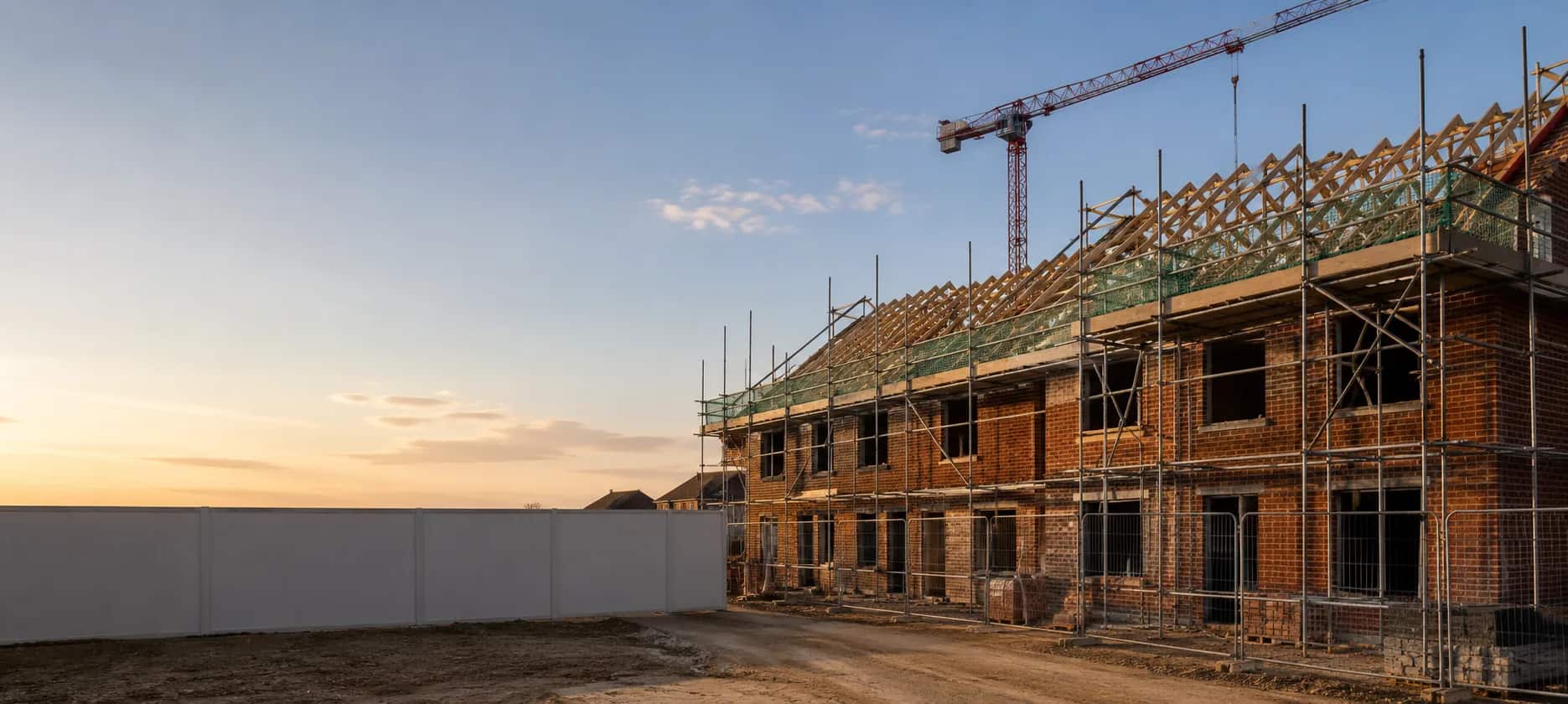
Ground-up construction, conversion and substantial refurbishment. Structured around land and build cost with staged drawdowns released against certified progress, priced against the scheme's GDV and its exit.
Property Finance
Bridging, development and commercial property finance for developers and investors, structured by people who understand GDV, build costs, drawdown schedules and exit strategy because they have worked with them directly.
No obligation · Enquiring will not affect your credit score · We respond within 24–48 hours
Our Solutions
Ground-up construction, conversion and substantial refurbishment. Structured around land and build cost with staged drawdowns released against certified progress, priced against the scheme's GDV and its exit.
Short-term secured funding where speed decides the outcome: securing a site, completing at auction, breaking a chain, or covering the gap while longer-term funding is arranged. Always structured with a credible, clearly defined exit.
Longer-term funding to purchase or refinance commercial premises, whether owner-occupied or held as an investment. Structured around the covenant and the rental income.
Individual investment properties through to portfolio facilities across multiple assets, including limited company and SPV structures, HMOs and multi-unit blocks.
Moving a completed scheme off expensive short-term funding onto appropriate longer-term terms, releasing the profit and the capital for the next site.
Funding to secure a site with or without planning consent, structured with an appropriate exit, a development facility once consent is granted, or a sale.
The Developer Journey
A development is not a single financing event. It is a sequence, and each stage constrains the one after it. Getting the acquisition facility wrong makes the development facility harder. Getting the development facility wrong makes the refinance harder. We plan the whole route from the beginning.
Securing the site, at auction, off-market or conventionally, with or without planning. Speed and certainty of funds usually matter more than headline cost, but the facility still has to be structured so it does not create a problem at the next stage.
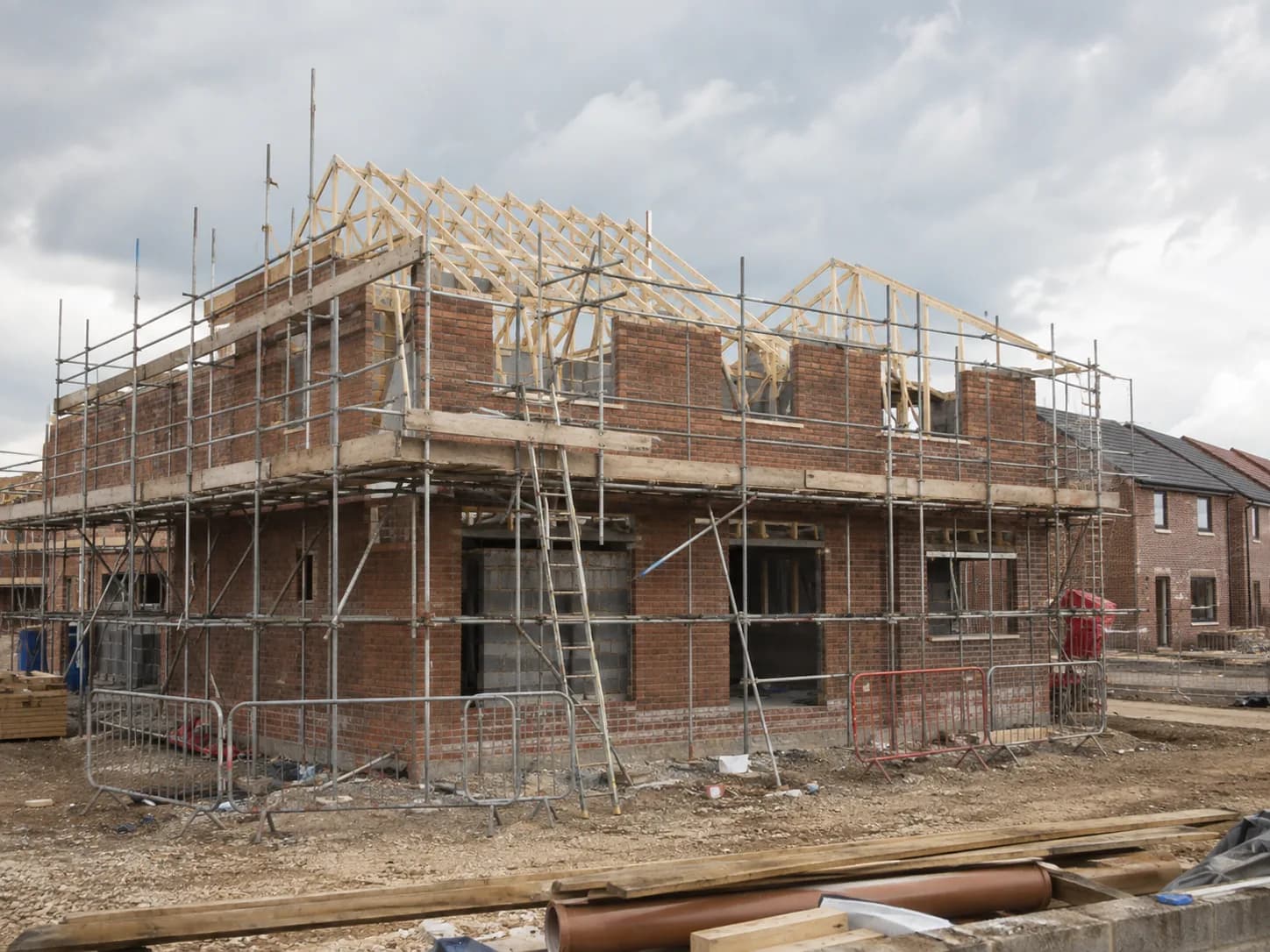
Funding the construction, with drawdowns released against certified progress. The critical work is a drawdown schedule reflecting how the build will actually run rather than an idealised programme, so cash is available when subcontractors need paying.
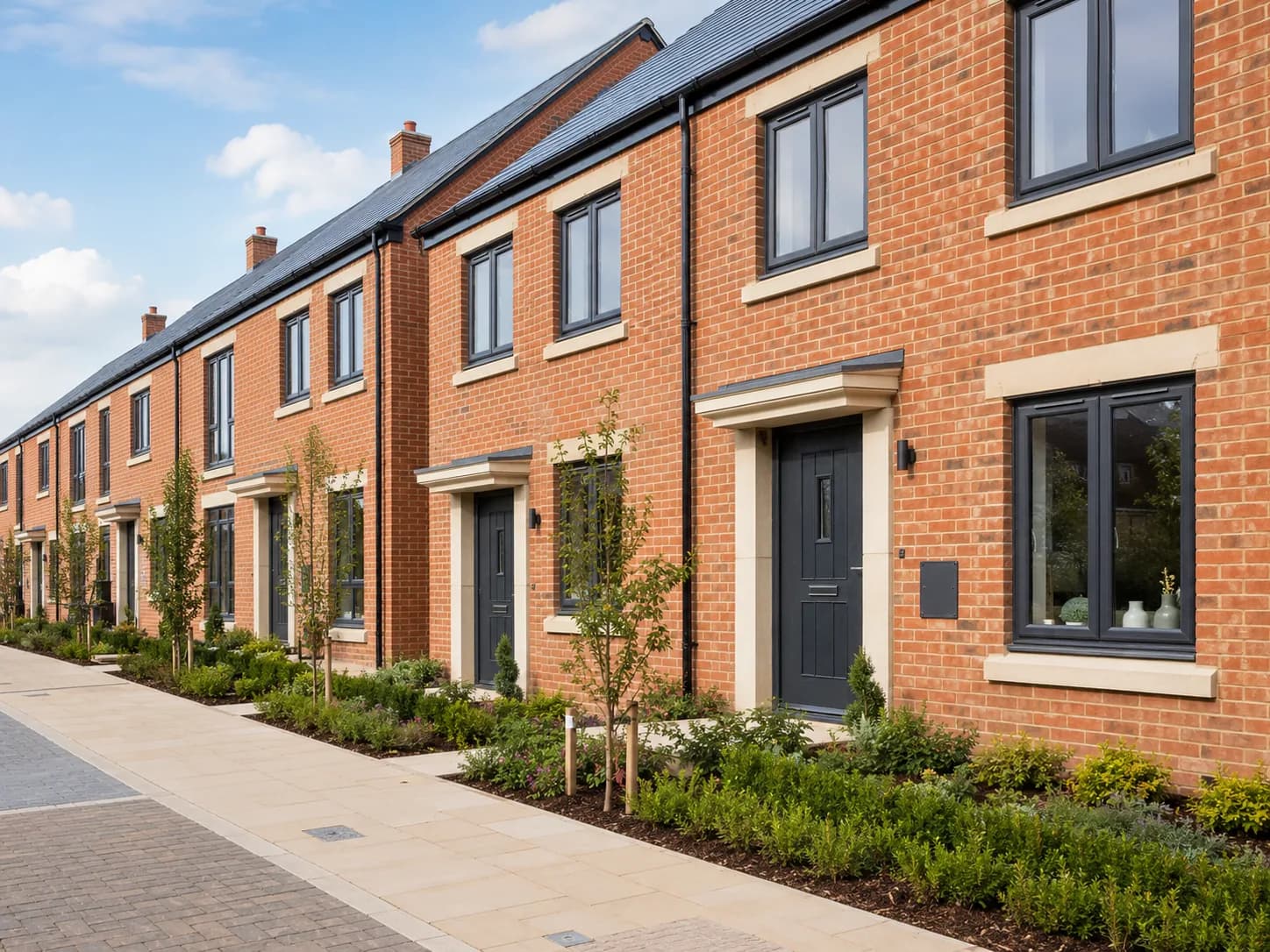
The scheme completes and expensive short-term funding needs to come off. A refinance onto appropriate longer-term terms, or a sale, releases the value created and stops interest eating into the profit.
Capital released becomes the deposit and working capital for the next scheme. By this point we understand your track record and delivery capability, which makes the next case materially easier to place.
From the founder
Most brokers arrange one facility. We plan the sequence.
Oakmont's founder, TJ, works in property development. That means we understand what happens when a build programme slips by six weeks and the interest roll-up assumption no longer holds; why a drawdown schedule that looks fine on a spreadsheet can starve a site of cash at the wrong moment; and that a GDV figure is an argument, not a fact, that has to be evidenced to a valuer. For you, that means a case that reaches an underwriter properly structured, and a funding partner who will tell you when a scheme does not stack rather than letting a valuer deliver the news three weeks later.
Start Here
Send us the scheme and the numbers, or simply pick up the phone. We will tell you whether it stacks, what we would structure, and what is realistically achievable.